
The most expensive mistake a beginner makes is not buying the wrong jacket. It is buying a complete kit for a sport they will practise four times. We have watched it happen with skis, boards, harnesses and wetsuits, and the pattern is always the same: enthusiasm in week one, a large purchase in week two, and equipment gathering dust by month three. The fix is simple and slightly boring. Rent everything that can be rented for one full season, buy only what cannot be shared, and let real experience decide the rest.
Why renting for a full season is not a waste of money
People resist renting because the arithmetic looks bad. If a day of ski rental costs the equivalent of a tenth of a new pair, then ten outings pay for the skis. That reasoning ignores three things. First, most beginners do not know what they need. The ski length, the kayak width, the board volume that suits you at week one will not suit you at week twelve, because your balance and technique change fast. Second, rental gear is maintained. Skis are waxed, hulls are checked, harnesses are retired on schedule. A beginner does not yet know how to do any of that. Third, renting lets you try three or four models over a season, which is the only reliable way to learn what you like.
Seen this way, a season of rental is a course in equipment, paid in small instalments, with the option to walk away at any point. That option has real value.
What to rent and what to buy, sport by sport
The dividing line is hygiene and fit. Anything that touches skin intimately, or that must fit your body precisely to be safe, is worth buying early. Everything else can wait.
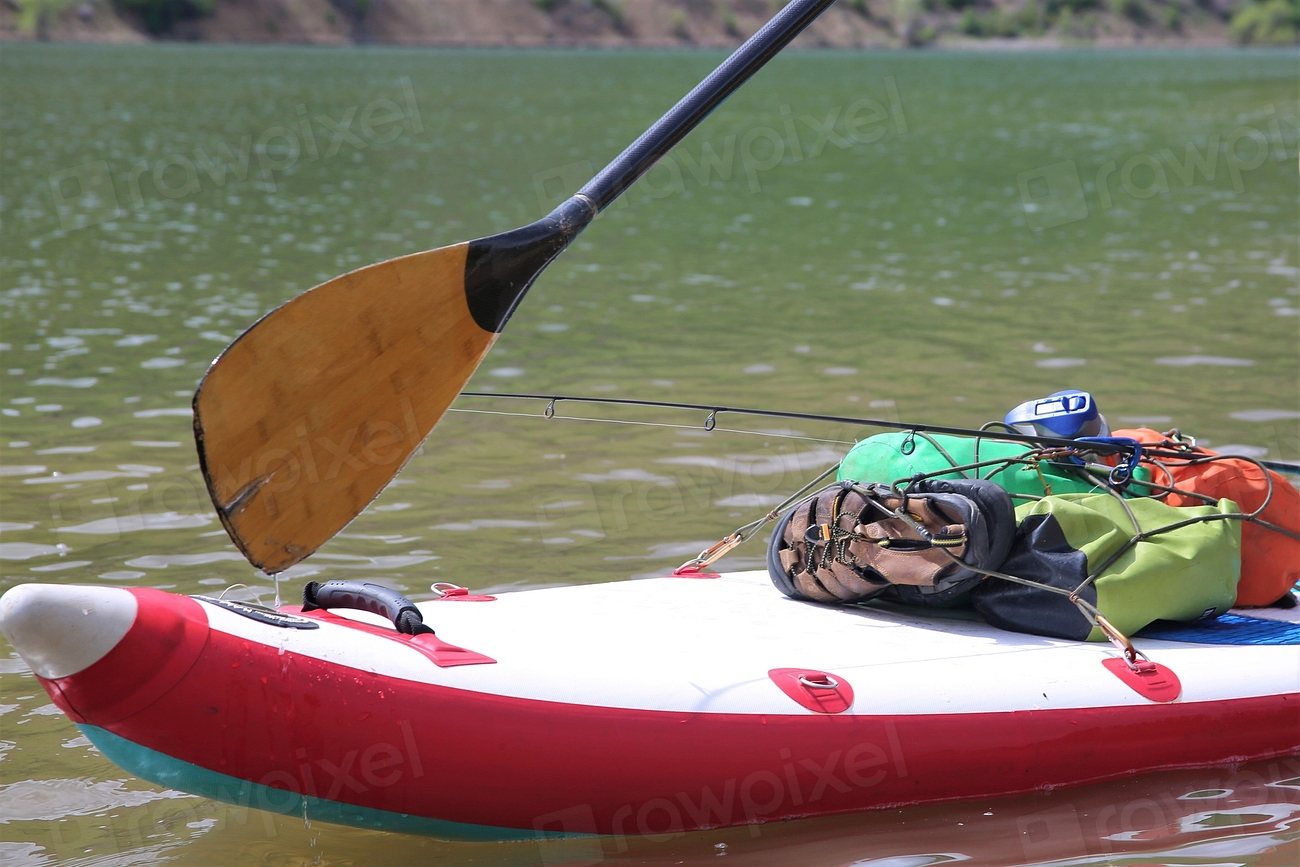
- Kayaking and paddleboarding: rent the boat or board, the paddle and the buoyancy aid for the season. Buy a pair of water shoes and a quick-drying layer. A boat is the classic premature purchase, and storage alone is a reason to wait.
- Snowshoeing: rent snowshoes and poles the first season. Buy warm waterproof boots, gaiters and gloves, because they are needed for any winter walking anyway.
- Cross-country skiing: rent skis, boots and poles as a package. Boots are the one item some beginners buy early, once they have skied enough to know their size in that binding system.
- Climbing: rent shoes and a harness at the wall for the first weeks. Buy your own shoes and harness within the first two months, because fit is safety. Ropes and hardware stay with the club or the course for a long time.
- Open-water swimming: rent a wetsuit for the first sessions if a venue offers it. Buy your own tow float and a bright cap immediately, as they are cheap and they are your visibility.
- Orienteering and geocaching: almost nothing to rent. A compass costs little, and event organisers usually lend electronic timing chips.
Buy the boring layer first
Across all eight sports, the equipment that matters most in a first season is the layer nobody photographs: base layers that dry fast, a wind shell, a warm mid-layer, socks that fit, and a pair of shoes or boots suited to the ground. These items transfer from one sport to another, they cost a fraction of the specialist gear, and they decide whether an outing is pleasant or miserable. A beginner in a rented kayak wearing cotton will be cold within an hour on a 15-degree day. The same beginner in a synthetic base layer and a thin shell will be comfortable for the whole afternoon.
If your budget for the first season is limited, spend it here, in this order: footwear, base layers, shell, then a small pack. Leave the specialist gear to rental.
Where to rent, and what to check before you sign
Rental comes from three places: outdoor shops in the town nearest the terrain, clubs that lend or rent equipment to members, and outfitters based at the lake, trailhead or ski area itself. Each has a different rhythm. Shops offer the widest choice and day or weekend rates. Clubs are the cheapest option over a season but require membership. On-site outfitters are the most convenient and usually the most expensive per day.
Whatever the source, check five things. Ask when the item was last inspected or serviced. Look at wear points: the edges of skis, the seams of a wetsuit, the webbing of a harness, the hull of a boat. Confirm that the size was chosen for your height and weight, not for what was available. Ask what happens if you damage the item, and whether a deposit is held. Finally, ask whether rental fees can be credited toward a purchase later, since some shops offer this and it changes the arithmetic.
The season-long plan, week by week
A first season of roughly twelve outings works well in three phases. In the first four outings, rent the standard beginner setup and do not change anything. Your body is learning; the equipment is not the variable. In outings five to eight, ask for a different model each time if the shop allows it: a narrower kayak, a stiffer ski, a smaller board. Keep a note after each outing of what felt better and why. In outings nine to twelve, return to the model you preferred and confirm the choice. By the end of the season you will know exactly what to buy, and you will have spent less than the price of the wrong purchase.
Keep the notes short and honest. Comfort, stability, effort, and one sentence on what you would change. That notebook is the most valuable piece of gear you will own at the end of the season.
When buying early actually makes sense
There are exceptions, and we do not want to be dogmatic. If you live more than an hour from any rental source, the logistics of renting can kill the habit before it forms; in that case a modest second-hand purchase of a beginner-grade item is reasonable, provided you have it checked by someone experienced. If a club sells retired but serviceable equipment to new members at low cost, that is often the best of both worlds. And if you have already completed a season in a related sport, for instance moving from snowshoeing to cross-country skiing, your knowledge of fit and layering is real and the risk of a bad purchase is lower.
Even then, hold one rule: never buy the specialist item before the third outing. Three outings is enough to know whether you will be back, and that is the only question the first season needs to answer.