
Nobody likes to talk about money at the start of something exciting, which is why so many first seasons end with a surprise. The surprise is rarely the big item. It is the accumulation of small ones: the parking fee at the trailhead, the wax, the replacement cap, the fourth rental weekend that was supposed to be the last. This article lays out what a first season actually costs in each of the eight sports we cover, not in currency, which varies too much by country, but in the structure of the spending. Once you can see the structure, you can fill in local prices in an evening and know what you are committing to.
The five buckets every season has
Whatever the sport, first-season spending falls into five buckets. Instruction is the course or lessons that make you safe. Equipment is what you rent or buy, split between specialist items and the general layer of clothing and footwear. Access is what you pay to be on the terrain: trail passes, launch fees, wall entry, event entries, venue fees. Membership is the annual fee of a club or governing body, which often bundles insurance. Travel is the fuel, tolls, parking and occasional overnight that get you there. Beginners tend to budget for the second bucket and forget the other four, and the other four usually add up to more.
A useful rule: estimate the equipment bucket, then double it to get the season total. It is crude, but for most sports and most beginners it lands within twenty percent.
Low-cost sports: geocaching, snowshoeing, orienteering
Geocaching is the cheapest way into the outdoors. The equipment bucket is a phone you already own and a pair of walking shoes. Access is free almost everywhere, since caches sit on public land and trails. Some listing services offer a paid tier that unlocks additional caches; it is optional, and the free tier supports a whole first season. The real cost is travel, and it grows only if you start chasing caches far from home.
Snowshoeing costs a little more. Rental of snowshoes and poles is charged by the day or weekend and is among the cheapest rentals in outdoor sports. Warm waterproof boots are the one purchase, and they serve every winter walk you will ever do. Access is free on most public trails; groomed snowshoe networks at ski areas charge a modest day pass. No course is needed, and a club membership is optional.
Orienteering is remarkable value. A compass is a small one-off purchase. Events charge a small entry fee, usually lower for beginners and club members, and the fee covers a printed map. A club membership is cheap and often includes affiliation to the national body. Instruction is informal and free at most events. Travel to events is the only bucket that grows.
Moderate-cost sports: paddleboarding, kayaking, cross-country skiing
These three share the same structure: a short course, a season of rental, and access fees that are low but frequent.
- Paddleboarding: one introductory session of two to three hours, then hourly or half-day rental of board, paddle and buoyancy aid. Launch fees exist at some managed lakes and are usually small. A buoyancy aid of your own is a sensible early purchase.
- Kayaking: a beginner course of two to three days is the largest single item and should not be skipped. Rental follows the same pattern as paddleboarding, and club membership unlocks club boats at a fraction of commercial rates. Water shoes and a quick-dry layer are the purchases.
- Cross-country skiing: a package rental of skis, boots and poles by the day or season, a trail pass for groomed networks, charged daily or for the season, and one or two lessons. Wax and a small kit add a recurring cost that surprises many beginners.
For all three, the season trail pass or club membership pays for itself around the sixth outing, which is a good reason to decide by the third outing whether you are staying.
Higher-cost sports: climbing and open-water swimming
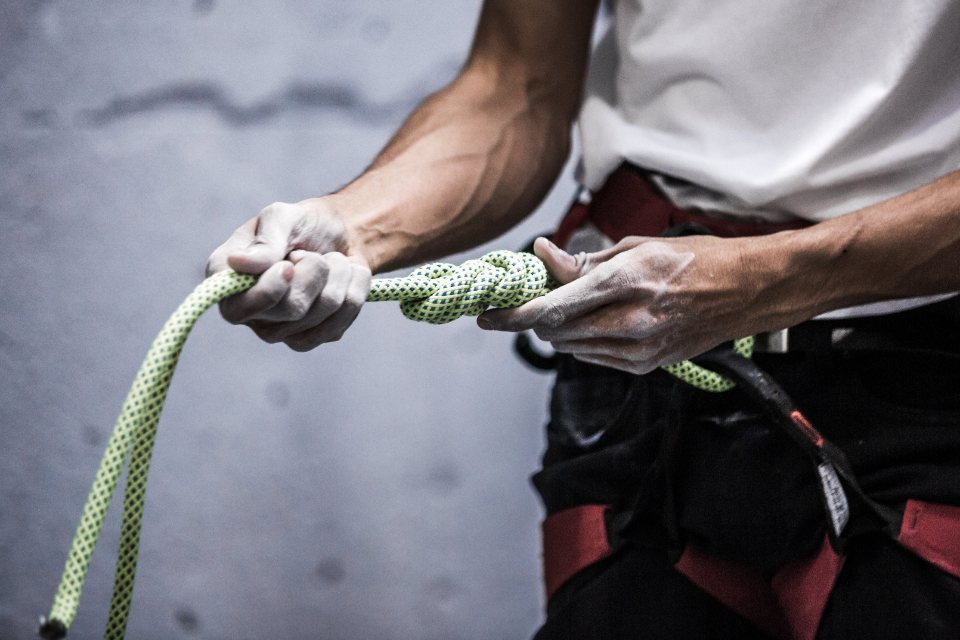
Climbing has the highest instruction cost of the eight. An induction at an indoor wall is short and cheap, but learning to belay, then to climb outdoors, then to lead, involves a sequence of courses over the first year. Wall entry is charged per visit or by monthly membership, and a beginner going twice a week reaches the membership threshold quickly. Shoes and a harness are early purchases because fit is safety, and shoes wear out within a season of regular use. Ropes and protection can wait a year or more if you climb with a club.
Open-water swimming looks cheap and is not, in the first season. A wetsuit is the main purchase, and although rental exists at some venues, most swimmers buy within the first month. A tow float, a bright cap, goggles and a changing robe follow. Supervised venues charge per session, and for a beginner the supervised venue is strongly recommended, so the access bucket is real. Coaching sessions in a pool during the colder months add to it. Travel is usually low, since most people swim near home.
The costs beginners forget
Four items disappear from almost every first budget. Parking and permits: many trailheads, launch points and beaches charge a daily or seasonal fee, and some popular areas require an advance reservation in high season. Insurance: club or governing-body membership usually includes it, but a beginner who practises independently should check what their existing cover excludes, and mountain rescue in some regions is not free. Replacement and repair: a lost paddle leash, a torn glove, a broken pole, a puncture in an inflatable board. Budget a small monthly amount for this and you will not be surprised. Food and fuel on the day: a season of twelve outings with a sandwich and a hot drink bought on site adds up to a sum many people would rather have spent on a better shell.
A worksheet you can fill in tonight
Take a sheet of paper and write the five buckets down the side: instruction, equipment, access, membership, travel. Across the top, write the number of outings you honestly expect in the first season; for most beginners, twelve is realistic and sixteen is ambitious. For each bucket, find one local price and multiply. Course price once. Rental price times outings, minus any weeks you expect to borrow. Access fee times outings, or one season pass. Membership once. Travel distance times outings times your cost per kilometre, plus parking.
Add it up. Then add fifteen percent for the forgotten items above. The number you reach is your first-season budget, and the exercise usually reveals one bucket that dominates. If it is instruction, that is money well spent and not worth cutting. If it is rental, it argues for a club. If it is travel, it argues for a sport closer to home, and that is worth knowing before the season starts rather than after.